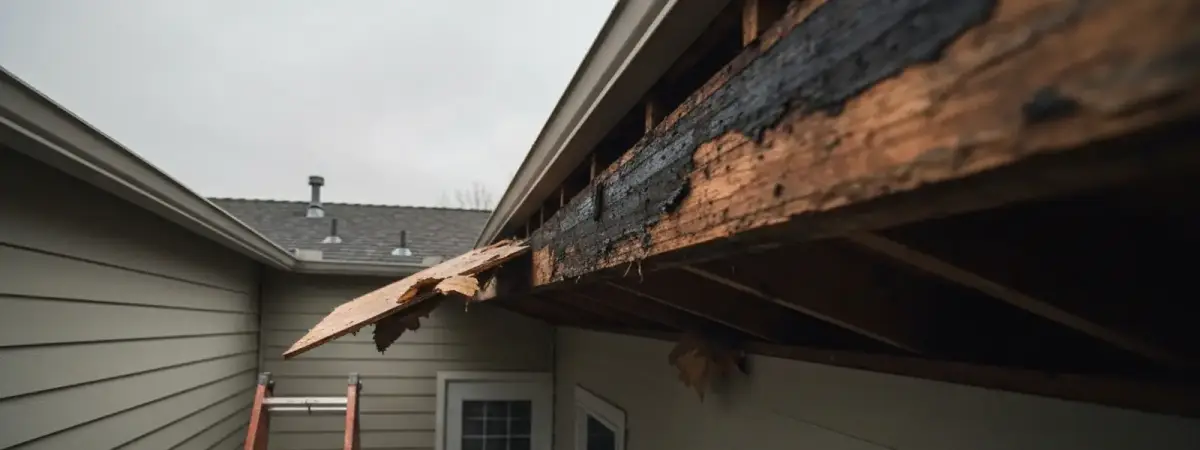
Soffit Rot Repair, Modesto, CA
Vented soffit panel replacement, solid soffit board repair, and roof leak intrusion correction across Modesto.
REQUEST A FREE QUOTESoffit Rot Repair Services Available in Modesto
Soffit rot repair addresses decayed wood beneath the eave overhang, frequently caused by roof leaks, poor attic ventilation, or clogged gutters trapping moisture against the structure. When water wicks into the end grain or pools on the panel surface, fungal decay begins to compromise the material. This service involves thoroughly inspecting the extent of the decay, carefully removing affected solid or vented panels, and assessing the underlying framing for hidden structural damage. We rebuild the compromised area using rot-resistant or treated lumber, ensuring the new installation matches the existing exterior finish for a appearance. A critical part of the repair process includes identifying and correcting the specific moisture source causing the decay. By addressing the root cause, ensuring proper airflow, and preventing future water intrusion, we protect the structural integrity of your home's eaves and prevent recurrent damage.
WE SPECIALIZE IN SOFFIT ROT REPAIR
Our soffit rot repair capabilities cover a range of specific decay scenarios encountered on structures throughout Modesto. We focus on diagnosing the extent of the wood damage, removing the compromised material, and implementing targeted repairs to restore the eave.

Soffit board decay removal is necessary when fungal growth compromises structural integrity beneath the eave. This process involves cutting out damaged sections while preserving sound material. We utilize moisture meters to identify decayed wood, preparing the area for replacement.
Vented soffit panel replacement addresses decay in perforated panels allowing attic airflow. When these panels rot, ventilation is compromised. We remove damaged panels, inspect surrounding framing, and install new vented panels matching the existing profile, restoring proper airflow.
Solid soffit board rot repair focuses on non-vented sections sustaining moisture damage. This decay occurs where water runs behind the fascia. The repair requires removing affected material, assessing adjacent rafters, and rebuilding the section using treated lumber.
Soffit rot from roof leak intrusion occurs when water bypasses the roofing system. We remove the rotted soffit material to expose the leak source and assess structural framing. The repair involves replacing decayed wood and correcting the leak.
A soffit rebuild with rot-resistant material is indicated when extensive decay requires complete replacement. We remove compromised wood and evaluate underlying supports. The rebuild utilizes treated lumber or PVC, providing a durable solution for areas prone to water damage.
Soffit rot at overhang corners is common due to complex framing intersections and concentrated water runoff. The repair involves dismantling corner trim and soffit panels to access decayed framing. We remove rotted wood and rebuild the corner structure.
Soffit trim rot repair addresses decay on decorative moldings attached to soffit panels. For surface-level decay, we utilize wood consolidant and two-part epoxy systems. If rot is extensive, we remove the damaged trim section and install a matching replacement.
Soffit rot from bird or pest entry damage occurs when animals create openings, allowing moisture to enter. We address resulting wood damage by removing chewed or rotted sections. The repair includes replacing compromised material with solid, treated lumber.
Beadboard soffit rot repair involves addressing decay on traditional tongue-and-groove paneling. Moisture trapped in grooves accelerates the rot process. We extract damaged beadboard sections, inspecting rafters above. The repair requires installing matching replacement beadboard, ensuring joints fit tightly.
Soffit rot from condensation buildup happens when inadequate attic ventilation causes moisture to accumulate. We remove decayed soffit material and assess moisture damage. The repair involves replacing rotted wood and correcting the ventilation issue by installing additional vented panels.

Request a Dry Rot Repair Quote in Modesto
Request an inspection for your soffit rot repair needs in Modesto. Provide the details of the wood decay below, and our team will review the information to arrange a site visit and prepare a detailed repair estimate for your project.
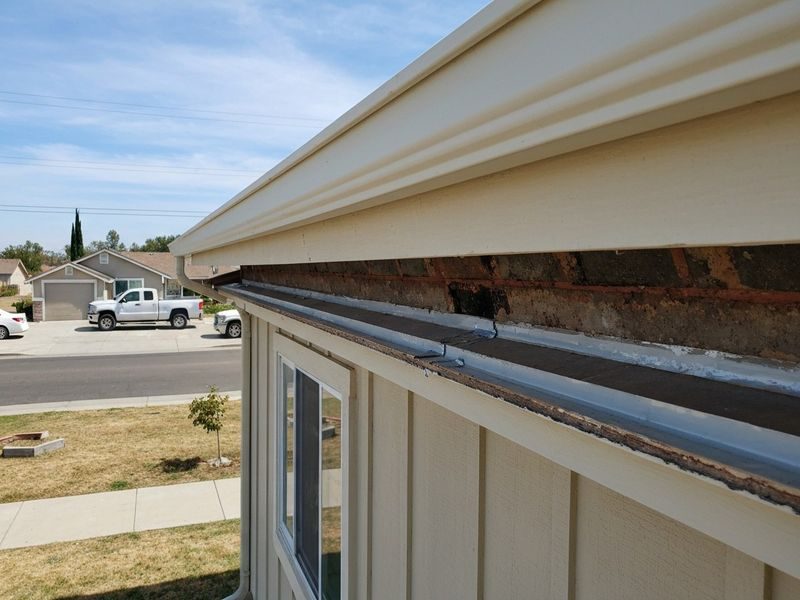
WHY CHOOSE DRY ROT REPAIR MODESTO FOR SOFFIT ROT REPAIR
When addressing soffit rot repair in Modesto, the focus must remain on the specific requirements of the eave structure. The following points outline the technical approach and capabilities applied to correctly diagnose, remove, and repair decayed wood in this area.
Soffit rot often extends beyond the visible panel into the rafter tails or roof deck framing. As a licensed contractor, we possess the capability to inspect and repair these structural components, ensuring the entire eave overhang is sound before replacing the surface material.
Replacing decayed wood without addressing the cause leads to recurring damage. We utilize moisture meters to trace the water intrusion, whether from a roof leak, clogged gutter, or poor ventilation, correcting the source to ensure the new soffit material remains dry.
The materials used for rebuilding the eave dictate the longevity of the repair. We utilize treated lumber and rot-resistant alternatives for the replacement panels and framing, providing a durable solution that withstands the moisture exposure common in overhang areas.
Improper airflow often causes condensation buildup that rots soffit boards. Our repair process includes assessing the attic ventilation and installing the correct ratio of vented to solid panels, ensuring proper air circulation is restored to prevent future moisture accumulation and decay.
For surface-level decay on decorative soffit moldings, complete replacement is not always required. We apply wood consolidant and two-part epoxy systems to restore the structural integrity of the trim, preserving the architectural detail while eliminating the fungal growth from the wood.

Understanding the specific techniques involved in repairing decayed eaves is essential for a lasting result. Submit a request using the online form on this page to have the affected area evaluated and receive a detailed plan for the necessary work.
OUR PROVEN PROCESS FOR SOFFIT ROT REPAIR
The procedure for repairing decayed soffits follows a strict sequence to ensure all damaged wood is removed and the cause is corrected. This systematic approach applies to every repair, from minor trim decay to extensive structural framing replacement.
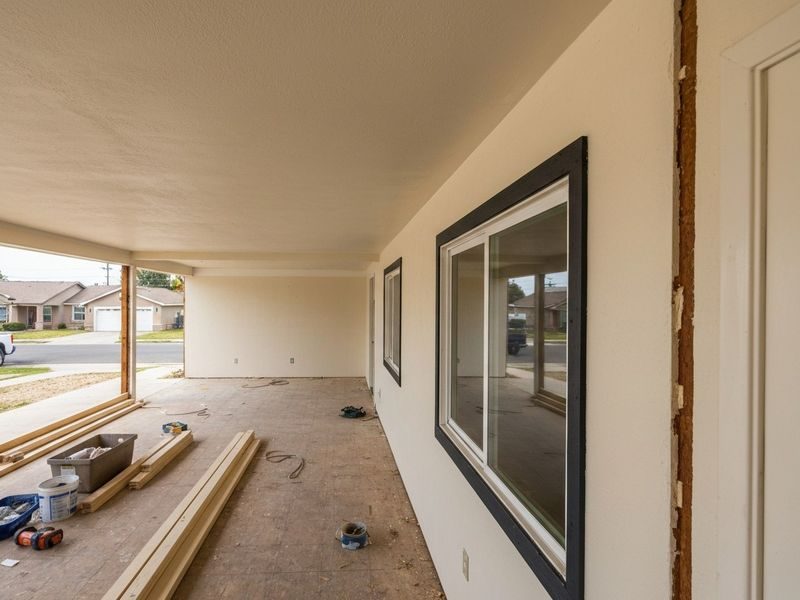
We begin with a thorough inspection in Modesto, CA, using moisture meters to accurately map the extent of the dry rot. We diagnose the decayed wood and pinpoint the specific moisture source causing the fungal growth in the soffit area.
Our crew precisely removes the decayed wood sections from the eave. We then treat the remaining sound wood and surrounding area to halt further fungal activity before any rebuilding or structural reinforcement begins on the soffit panels or underlying framing.
We rebuild the affected component. Structural rot requires sistering or replacement with treated lumber, while cosmetic dry rot on trim may be restored using wood consolidant and two-part epoxy systems to match the existing profile of the soffit structure.
The crucial step in Modesto dry rot repair is fixing the cause. This involves repairing flashing, correcting drainage, or improving ventilation to ensure the repaired area stays dry and decay-free long-term, preventing water from reaching the new soffit material.
After the structural and moisture corrections are complete, we finish the repaired area to match the existing structure. Our team ensures all construction debris from the soffit repair is removed from your property, leaving the site clean and the work finished.
This structured sequence ensures the decay is fully addressed and the eave is restored correctly. Use the contact form to arrange a free site visit And begin the process of repairing the damaged wood on your property.
BENEFITS OF SOFFIT ROT REPAIR IN MODESTO
Repairing decayed wood in the eave overhang provides specific structural and functional outcomes for the building. Addressing the damage promptly prevents further deterioration and ensures the roofline components operate correctly, protecting the interior structure from moisture intrusion and related issues.
Removing decayed wood and replacing it with sound lumber restores the load-bearing capacity of the eave framing. This ensures the rafter tails and roof deck are properly supported, preventing sagging or structural failure that can occur when rot is ignored.
Replacing damaged vented panels restores proper airflow into the attic space. This regulates temperature and reduces condensation buildup beneath the roof deck, preventing secondary moisture damage and improving the overall efficiency of the building's ventilation system throughout the year.
Addressing the decay stops the fungal growth from migrating into adjacent framing members, such as the fascia board or wall studs. By removing the active rot and treating the surrounding wood, the extent of the damage is contained and neutralized.
Rotted soffit boards often create openings that allow birds, rodents, or insects to enter the attic. Rebuilding the eave with solid, treated lumber closes these gaps, securing the structure against pest intrusion and the subsequent damage they can cause.
Utilizing rot-resistant lumber and correcting the moisture source ensures the repair lasts. By eliminating the conditions that caused the initial decay, the new soffit material remains dry and functional, reducing the need for repeated maintenance on the eave structure.

These functional outcomes demonstrate the importance of addressing wood decay in the eave correctly. Submit a request using the online form on this page to have the damaged area evaluated and determine the necessary steps for a complete repair.
WHERE WE WORK IN MODESTO
We provide structural and cosmetic decay repair for eaves and overhangs across the Central Valley (GPS 37.6391, -120.9969). The 209 area code encompasses our primary service locations, where we address moisture intrusion and wood deterioration on various property types.

In Central Modesto, Ceres, and Riverbank, we repair decayed soffit panels on older residential properties. We address wood rot caused by poor ventilation or gutter leaks in Salida, Keyes, and Empire, removing the damaged material and rebuilding the eave.
Ceres, Riverbank, Salida, Keyes, Hickman, Empire, Bret Harte, Los Banos
We replace compromised vented panels in Stockton, Lodi, and Manteca. Our work in Tracy, Lathrop, and Ripon involves inspecting rafter tails for decay, removing the affected wood, and installing rot-resistant lumber to restore the structural integrity of the roofline overhang.
Stockton, Lodi, Manteca, Tracy, Lathrop, Ripon, Escalon, Farmington
For properties in Oakdale, Waterford, and La Grange, we provide targeted decay removal for solid soffit boards. We correct moisture sources causing rot in Knights Ferry and Copperopolis, ensuring the new material remains dry after the repair is completed.
Oakdale, Waterford, La Grange, Knights Ferry, Copperopolis, Valley Home, Jamestown, Chinese Camp
We address structural framing rot beneath the eave in Turlock, Newman, and Gustine. In Livingston, Atwater, and Merced, we utilize wood consolidants for cosmetic trim repair and replace severely decayed panels with treated lumber to prevent further fungal growth.
Turlock, Newman, Gustine, Livingston, Atwater, Merced, Hilmar, Delhi
Our work in Patterson, Westley, and Vernalis focuses on repairing decay caused by roof leaks. We rebuild damaged overhang corners in Crows Landing and Discovery Bay, installing proper flashing to direct water away from the vulnerable wood components.
Patterson, Westley, Vernalis, Crows Landing, Grayson, Diablo Grande, Byron, Discovery Bay
Our coverage ensures that properties throughout these zones receive correct diagnosis and repair for wood decay. Use the contact form to arrange a site visit and determine the extent of the damage on your building's eave and roofline structure.
ANSWERS TO YOUR TOP SOFFIT ROT REPAIR QUESTIONS
Understanding the specifics of repairing decayed wood in the eave helps clarify what the work involves. These answers address common technical and procedural questions regarding the removal of rotted material, structural rebuilding, and the necessary moisture correction steps.
Fixing a rotten soffit requires removing the decayed panel and inspecting the framing beneath. We cut out the compromised wood, treat the surrounding area, and install new rot-resistant lumber. The repair is completed by correcting the moisture source causing the decay.
You call a licensed contractor capable of structural framing repair. Because soffit decay often extends into rafter tails or roof decks, the repair requires expertise in both removing the cosmetic paneling and rebuilding the load-bearing wood components of the eave.
Insurance coverage depends on the cause of the decay. Sudden damage from a storm may be covered, but rot resulting from long-term maintenance issues or poor ventilation is typically excluded. We provide documented assessments to assist with your claim inquiry.
The cost varies based on the extent of the decay. Replacing a single cosmetic panel is less involved than rebuilding rotted rafter tails. We provide a detailed estimate after a site visit to assess the structural damage and moisture source.
Soffits rot primarily due to moisture exposure. This occurs from roof leaks, clogged gutters overflowing behind the fascia, or inadequate attic ventilation causing condensation buildup on the panels. Identifying and correcting this source is required to prevent the decay returning.

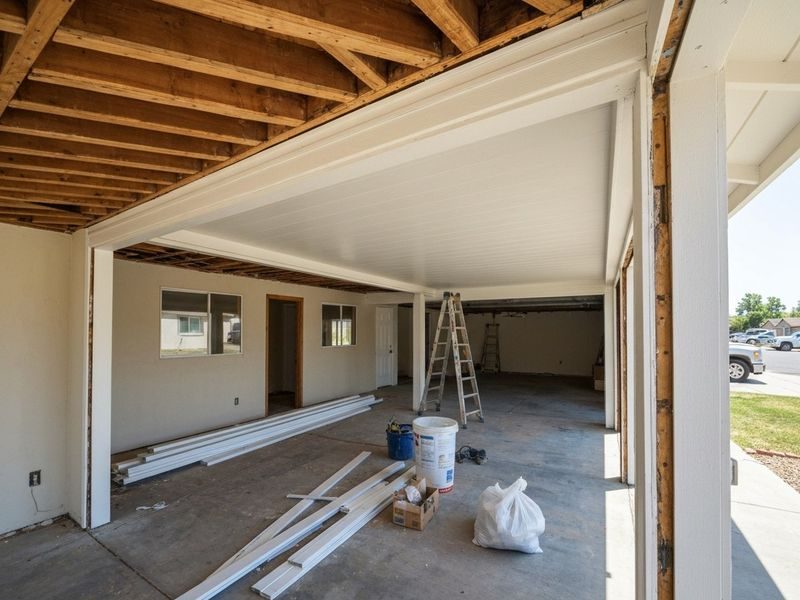
Rotted fascia often presents as peeling paint, dark staining, or wood that feels soft when probed. You may also notice the gutter pulling away from the board. We use moisture meters to confirm the presence of active fungal decay.
Yes, if the rot is cosmetic and non-load-bearing, we can apply wood consolidant and two-part epoxy systems to restore the profile. However, if the decay has compromised structural framing members, the affected wood must be removed and completely replaced.
Soffits should be replaced when fungal decay has compromised the integrity of the board, when vented panels are blocked or damaged, or when the rot has spread to the underlying framing. Prompt replacement prevents moisture from entering the roof structure.
If left untreated, dry rot continues to spread through the wood fibers, destroying the structural integrity of the component. In an eave, this can lead to sagging overhangs, detached gutters, and moisture intrusion into the attic or interior wall framing.
Roofers typically replace rotted roof decking encountered during a tear-off. However, extensive decay in the rafter tails, soffit panels, or structural wall framing requires a licensed general contractor to perform the necessary carpentry and rebuild the load-bearing wood components.
These details clarify the process and requirements for repairing decayed eaves. If you have further questions or need an assessment of specific wood damage, submit a request using the online form to arrange a site visit and inspection.
LET'S TALK: START YOUR SOFFIT ROT REPAIR PROJECT IN MODESTO TODAY
We provide complete soffit rot repair across Modesto, addressing decayed vented panels, solid boards, and underlying framing. Our work includes removing damaged material, rebuilding with treated lumber, and correcting the moisture source. We also match the existing exterior paint color to ensure the eave structure remains sound and visually consistent.
Submit your details through the form on this page to request an inspection. We will review the information provided and contact you to arrange a site visit, assess the extent of the wood decay, check the adjacent fascia boards, and provide a detailed repair estimate for the required materials.