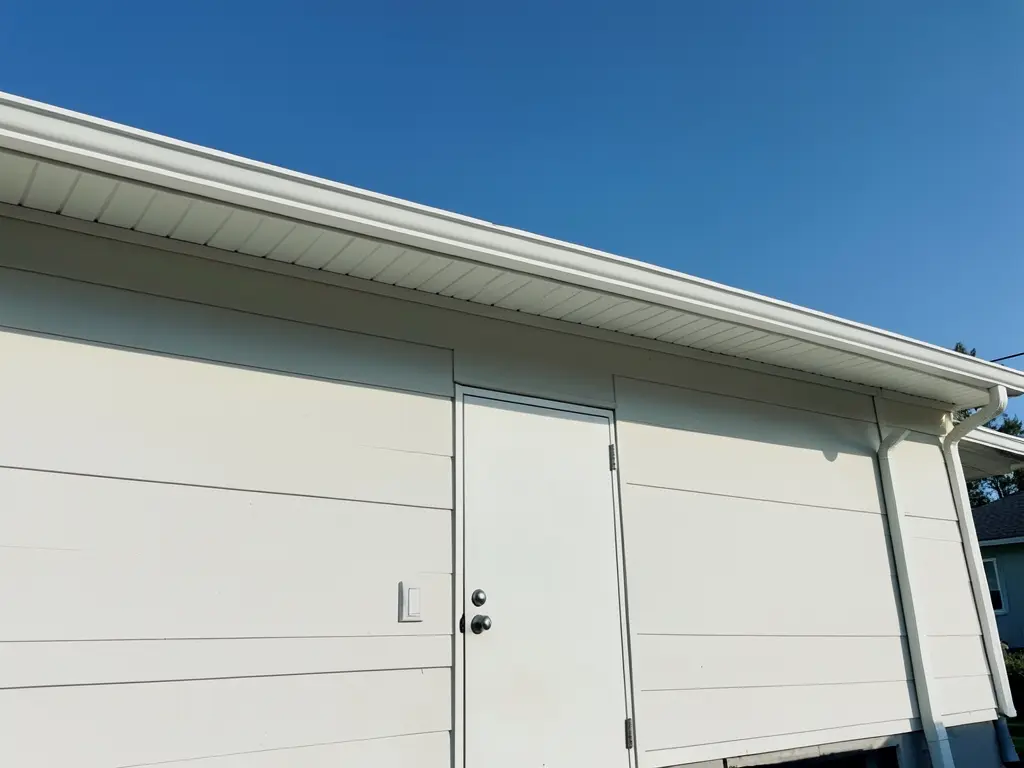

Maintaining the structural integrity of a home often begins at the roofline, where fascia board rot repair ensures that moisture does not penetrate the deeper framing of the property. For many homeowners in Modesto, the realization that these perimeter boards are failing comes too late, leading to expensive secondary damage to rafters and interior ceilings. This guide examines why timely fascia board rot repair is essential for preserving property value and safety, especially in light of recent local developments regarding deferred maintenance and community management. You will learn the technical requirements for a lasting fix, the local environmental factors at play, and the specific steps required to ensure your home remains compliant with California building standards.
The urgency of addressing exterior wood decay has been underscored by recent local events that highlight the financial risks of neglecting property upkeep. When critical maintenance is deferred across multiple units or within a neighborhood, the resulting repair bills can lead to significant community distress. Understanding the mechanics of wood rot and the professional standards required for a fascia board rot repair is the first step in avoiding the pitfalls of structural neglect. Throughout this article, we provide a detailed breakdown of the materials, methods, and regulatory requirements that define high-quality roofline restoration in the Central Valley, helping you make informed decisions about your home's exterior health.
Modesto HOA Turmoil Highlights Risks of Deferred Maintenance
According to CBS News, a Modesto condominium complex recently saw its HOA board recalled following months of turmoil over a failed $4 million special assessment and rising fees. This local incident, reported on August 27, 2025, serves as a stark warning about the consequences of allowing building envelopes to deteriorate. While the specific dispute involved broader financial management, the underlying driver was the need for massive, overdue repairs to the aging structures. When simple tasks like fascia board rot repair are ignored for years, the resulting moisture intrusion can necessitate a complete overhaul of the roofline and structural framing, leading to the kind of "special assessment" sticker shock that displaces residents and destabilizes property values. The report specifically noted that the assessment was intended to cover critical structural safety issues that had been neglected for over a decade, illustrating that the $4 million price tag was a direct result of compounding decay.
For property managers and homeowners alike, the Modesto HOA situation illustrates that the cost of prevention is always lower than the cost of a forced, large-scale remediation. Roofline integrity is directly connected to property value stability because the fascia board serves as the primary mounting point for gutters and the first line of defense for rafter tails. If these boards fail, water is channeled directly into the eaves, causing internal rot that is invisible from the ground. As seen in the Central Valley news, prioritizing a fascia board rot repair across a community can prevent the accumulation of "minor" issues that eventually trigger a financial crisis, making it imperative for individual owners to stay ahead of wood decay before it requires a collective, high-interest intervention. One concrete implication of this news is that local lenders may become more hesitant to provide financing for units in complexes with visible deferred maintenance, effectively locking owners into depreciating assets. Furthermore, the recall of the board demonstrates that homeowners are no longer willing to tolerate the lack of transparency regarding building health. Further insights into general maintenance trends can be found through AEC Daily, which tracks building material performance and industry shifts.
Local Modesto Environmental Factors Accelerating Wood Decay
The climate in Modesto presents a unique set of challenges for exterior wood, characterized by intense Central Valley heat followed by concentrated seasonal rain cycles. This "yo-yo" effect causes wood fibers to expand and contract aggressively, which often leads to hairline cracks in the paint or sealant of the roofline. Once the protective coating is breached, the high humidity of the rainy season allows fungal spores to take root within the timber. According to Local Modesto, Central Valley & Stanislaus News, maintaining building safety standards is a year-round requirement that often involves proactive inspections of these vulnerable transition points to prevent structural failure during storm events. Specifically, neighborhoods like La Loma and the College Area, which feature older growth trees and historic homes, often face higher rot risks due to increased shade and debris accumulation in gutters that keep the fascia boards perpetually damp.
Modesto property owners must also navigate specific building code compliance issues when dealing with wood decay. The City of Modesto Building Safety Division emphasizes that all structural repairs must adhere to the California Residential Code to ensure the safety of the occupants. Because the fascia board supports the weight of the gutter system, rot in this area can lead to falling debris or complete gutter failure, which poses a liability risk. A specific failure mode common in the Central Valley is "wicking," where water from summer lawn sprinklers hits the underside of the eaves, saturating the wood from an angle the roof was never designed to shed. The local environment accelerates this process because the intense UV exposure in the summer "bakes" the wood, making it brittle and more prone to absorbing water during the winter months. This cycle makes fascia board rot repair a critical seasonal task rather than a cosmetic upgrade, as the structural health of the roof edge is vital for meeting local safety mandates such as those outlined in the California Building Code (CBC) Title 24, which governs the weather-resistive integrity of the building envelope.
Technical Standards for Fascia Board Rot Repair
Performing a professional fascia board rot repair in Modesto requires a strict adherence to the California Residential Code (CRC), specifically Section R905, which governs roof assemblies and edge flashing. The process begins with the surgical removal of the affected timber, ensuring that all fungal growth is extracted rather than simply covered. A critical technical step involves inspecting the rafter tails once the fascia is removed. If the rot has migrated into the rafter ends, the repair must include "sistering" new lumber to the existing rafters to restore structural capacity. According to the California Residential Code, any replacement of structural components must use materials that are either naturally rot-resistant, such as cedar or redwood, or pressure-treated lumber rated for exterior exposure. An inspector typically checks for the presence of "brown rot," where the wood breaks into cubical pieces, or "white rot," which leaves the wood feeling spongy and stringy; both require complete removal of the infected area plus an additional six inches of healthy wood to ensure spores are eliminated.
One of the most common failure points in fascia board rot repair is the absence or improper installation of the drip edge. The drip edge is a metal flashing that sits under the first row of shingles and extends over the fascia board, directing water into the gutter. Without this component, water "wicks" backward behind the gutter and onto the wood, leading to rapid decay. Technical excellence in this trade requires that the new fascia board be installed with a slight gap or "kerf" on the bottom edge to discourage water from clinging to the surface. Good work is visible through three specific signs: first, the use of scarf joints (angled cuts) where boards meet to shed water; second, the presence of a 1/8-inch gap at joints filled with high-grade sealant to allow for thermal expansion; and third, the back-priming of the wood, meaning the side facing the house is painted before installation. Common installation mistakes include using interior-grade "bright" nails which rust instantly, failing to prime the end-grain cuts, and over-driving nails which creates a "cup" that holds water. For a visual representation of these technical steps, property owners can reference educational resources like How To Repair Rotten Fascia on a House to understand the complexity of the task.
The final stage of a compliant fascia board rot repair involves sealing the end grains and joints with high-performance elastomeric sealants. Unlike standard caulk, these sealants remain flexible during Modesto's extreme temperature swings, preventing the bond from breaking as the wood shifts. A quality repair is distinguished by the seamless integration of the new wood with the existing roofline, including the correct overlapping of flashing and the application of a primer specifically formulated for tannin-rich woods. When these technical standards are ignored, the repair typically fails within two to three seasons, often resulting in more extensive damage to the soffits and interior wall plates. Professional practitioners often utilize advanced materials found in specialized Dry Rot Repair kits to ensure the wood is fully stabilized before the final finish is applied. This level of detail ensures that the fascia board rot repair is not just a temporary patch but a long-term restoration of the home's primary weather barrier.
Immediate Action Steps for Suspected Roofline Damage
If you suspect that your roofline is compromised, the first step is to perform a thorough visual assessment from a safe distance using binoculars or a ladder. You should look for signs of "alligatoring" in the paint, dark water stains on the underside of the fascia, or gutters that appear to be pulling away from the house. It is vital to photograph these areas from multiple angles before any work begins, as this documentation is often required for HOA architectural reviews or insurance claims. Specifically, take wide-angle shots to show the location on the house and extreme close-ups of the wood grain to document the depth of the decay. In Modesto, keeping a clear record of the damage helps establish a timeline of the decay, which can be critical if the rot is linked to a specific storm event or a failed community-maintained gutter system.
Once the damage is documented, the next paragraph of action involves a council and permit check. In Modesto, structural repairs to the roofline may require a building permit depending on the extent of the rafter tail involvement. You can verify permit requirements through the City of Modesto's online portal or by visiting the Building Safety Division office at 1010 10th Street. Starting a fascia board rot repair project without checking these requirements can lead to "stop-work" orders or fines that exceed the cost of the repair itself. Typically, the permit process for minor residential repairs is straightforward, but it is essential to factor in a lead time of at least one to two weeks for approval and to have your plot plan ready, as this ensures the work will be officially recognized as code-compliant during a future home sale.
When you move toward the quoting phase, ensure that every proposal you receive contains a detailed line-item breakdown of the materials to be used. A proper quote for fascia board rot repair must specify the wood species (e.g., Kiln-Dried After Treatment or KDAT lumber), the type of flashing to be installed, and the specific brand of sealant. If a contractor provides a vague "lump sum" estimate, it is often a signal that they may skip critical steps like rafter tail inspection or drip edge installation. It is generally recommended to obtain at least three quotes from different providers to compare the scope of work and typical processing times for their crews. Be wary of quotes that are significantly lower than the average, as they may not account for the high cost of compliant, pressure-treated materials required by California law or the disposal fees for hazardous treated wood.
Verifying contractor credentials is a non-negotiable step in the process. In California, any repair over $500 requires a contractor licensed by the Contractors State License Board (CSLB). For fascia board rot repair, you should look for a professional holding a Class B General Building license or a C-33 Painting and Decorating license, depending on the scope. You must verify that the license is active and that the contractor carries both workers' compensation and general liability insurance. Ask specifically for a "Certificate of Insurance" (COI) that names you as additionally insured for the duration of the project. This protects you from being held liable if a worker is injured on your property or if the repair causes accidental damage to your roof or landscaping during the process, which could otherwise lead to a lien against your home.
Planning your project around Modesto's weather is also a critical factor for success. The best time for fascia board rot repair is during the dry months of late spring or early fall when humidity is low. If work is performed during a rain event, the raw wood can absorb moisture before it is sealed, essentially "trapping" the rot-causing fungus inside the new repair. If an emergency repair is needed during the winter, the contractor must use temporary hoarding or moisture-tents to keep the work area dry and use fast-curing epoxy resins. Proper planning ensures that the primers and sealants have the correct ambient temperature, typically between 50 and 90 degrees Fahrenheit, to cure fully, which is necessary for the long-term durability of the finish and the prevention of premature peeling.
Finally, there are specific conditions where professional help becomes non-negotiable. If you find that the rot has spread to more than two consecutive rafter tails, or if the fascia board is part of a complex "mitered" corner with decorative moldings, DIY efforts are likely to result in a non-compliant finish. Furthermore, if your home was built before 1978, the existing paint may contain lead, requiring RRP-certified professionals to handle the debris safely according to EPA standards. Attempting to handle a large-scale fascia board rot repair without the proper scaffolding and safety equipment is a significant risk that can lead to falls or structural instability. When the integrity of the roof-to-wall transition is at stake, a licensed professional is required to maintain the home's warranty and insurance eligibility, as most policies exclude damage caused by "faulty workmanship" by unlicensed individuals.
Ensuring Compliance and Long-Term Structural Integrity
The long-term value of a professional fascia board rot repair is found in its ability to meet and exceed state compliance standards. In California, the Contractors State License Board (CSLB) mandates that structural repairs be performed by licensed individuals to ensure that the work meets the safety requirements of the California Building Standards Code. For this specific trade, contractors must hold a valid Class B General Building license or a C-5 Framing and Rough Carpentry license issued by the CSLB. The penalty for performing unlicensed work on projects exceeding $500 in California can include significant fines and even administrative jail time for the contractor, but for the homeowner, the risk is the lack of legal recourse. When a homeowner opts for unlicensed or "under-the-table" work, they often lose the ability to file a claim against the contractor's bond if the work fails or causes a roof collapse.
Beyond the legal requirements, professional work provides a warranty that covers both materials and labor, typically ranging from one to five years depending on the contractor. A specialist in Fascia Soffit Rot Repair understands how to integrate moisture barriers and ventilation systems that prevent the recurrence of decay. For instance, ensuring that the Eave Roofline Rot Repair includes proper airflow prevents heat buildup in the attic, which otherwise "cooks" the fascia from the inside out. Insurance companies may deny coverage for future water damage if they discover that previous repairs were performed without the necessary permits or by an unlicensed party, as this is viewed as a failure to maintain the property. By following these documented standards, property owners can avoid the cycle of "patch and paint" that leads to the structural failures seen in local HOA disputes. Ultimately, a compliant fascia board rot repair preserves the structural envelope of the building, ensuring that the home remains a safe and marketable asset for years to come.
Frequently Asked Questions
How much does it cost to repair rotted wood fascia?
The cost for fascia board rot repair in Modesto typically ranges from $15 to $35 per linear foot, depending on the height of the roofline and the extent of the damage. If the rot has spread into the rafter tails or requires the removal of gutters, the price can increase significantly. Homeowners should also factor in the cost of high-quality materials like pressure-treated lumber and specialized sealants, which are necessary for compliance with California building codes. A standard residential project often totals between $800 and $2,500.
Will roofers replace fascia board?
While many roofing companies offer fascia replacement as part of a total roof overhaul, they may not specialize in the detailed carpentry required for isolated fascia board rot repair. It is important to clarify if the roofer will also inspect and repair the rafter tails and soffits, as these are often damaged simultaneously. For the best results, a contractor with specific experience in dry rot remediation is often preferred, as they have the tools and expertise to stabilize the wood and apply rot-resistant treatments that standard roofing crews might skip.
What happens if fascia rots?
When fascia rots, the structural integrity of the entire roof edge is compromised. The primary danger is that the gutters will lose their mounting strength and eventually pull away from the house, leading to improper drainage and foundation issues. Furthermore, rotted fascia allows water, pests, and rodents to enter the attic space. If left unaddressed, the decay will migrate into the rafter tails and the internal wall plates of the home, potentially leading to thousands of dollars in structural framing repairs and mold remediation inside the living areas.
What does rotted fascia look like?
Rotted fascia often manifests as peeling or bubbling paint, dark discolorations, or wood that appears "crumbly" or soft to the touch. In some cases, you may see visible fungal growth or mushrooms sprouting from the wood grain. Another common sign is the presence of "alligatoring," where the wood surface cracks into a pattern resembling reptile skin. If you notice that your gutters are sagging or that there are water stains on the soffits beneath the roofline, these are strong indicators that a fascia board rot repair is urgently needed.
How much to charge to repair fascia board?
For professional contractors in California, charging for fascia board rot repair involves calculating labor hours, material costs, and overhead for licensing and insurance. A typical professional rate in the Modesto area reflects the specialized nature of working at heights and the requirement for CSLB-compliant workmanship. Most reputable firms provide a detailed estimate that includes the cost of debris disposal, permit fees, and the application of high-grade exterior finishes. Charging too little often indicates a lack of proper insurance or the use of inferior, non-treated wood that will quickly fail.
Conclusion
Addressing the health of your home's roofline through timely fascia board rot repair is a critical responsibility for any Modesto property owner. As we have seen from local community management challenges, neglecting these essential transition points can lead to catastrophic financial and structural consequences. By adhering to the California Residential Code, using rot-resistant materials, and ensuring that all fascia board rot repair work is performed by licensed professionals, you protect your investment from the Central Valley's aggressive climate cycles. The most effective next step is to conduct a visual inspection of your eaves today and document any signs of moisture intrusion before the next rainy season begins. Taking proactive measures now ensures that your home remains a safe, compliant, and valuable asset for the long term.
More Fascia & Soffit Rot Repair Services at Dry Rot Repair Modesto
For more information about Fascia & Soffit Rot Repair services at Dry Rot Repair Modesto, explore the pages below: